


Growing pressure on water resources makes it essential to protect drinking water and ensure a sustainable supply for local authorities and industries. Driven by an ever-evolving regulatory framework, treated wastewater reuse and, more broadly, the use of non-conventional water resources help address the challenges of the ecological transition and economic performance.
However, deploying these alternative resources means reconciling climate foresight, health and environmental requirements, local governance and social acceptability.
Anticipating water stress and adapting to regulatory constraints
Veolia’s approach to making the most of non-conventional water resources
We apply a structured approach covering the identification, design and implementation of solutions for the beneficial use of non-conventional water resources.
1. Preliminary studies and potential analysis
Assessment of water management and qualitative and quantitative characterisation of the non-conventional water resources available. This analysis evaluates the potential for reuse and develops enhancement scenarios tailored to the resources and their intended uses.
2. Detailed engineering and project delivery
Undertaking in-depth feasibility studies (technical, economic, environmental, health, regulatory and governance). Design of treatment systems (filtration, UV disinfection, reverse osmosis) and of the storage, transfer and distribution infrastructure for treated water. Supervision of works during construction.
3. Regulatory support and compliance
Preparation of administrative authorisation applications, completion of environmental and health impact assessments, development of water safety management plans, and carrying out of compliance audits.

studies on industrial water reuse in France and abroad
applications for authorisation of direct treated wastewater reuse for multiple uses, submitted on behalf of French local authorities
opportunity and feasibility studies for local authorities or private operators
Key figures
Why choose Veolia

Integrated resource management
Incorporating non-conventional water reuse into a coherent strategy for the sustainable management of resources.

Climate foresight
Factoring climate change into the assessment of needs and resources, to ensure the long-term viability of infrastructure.

Adaptability
Tailoring process water recycling and alternative resources to the specific constraints of each site.

Technical and institutional expertise
Full command of the value chain, from technical treatment to governance, in France and abroad.
Our flagship projects
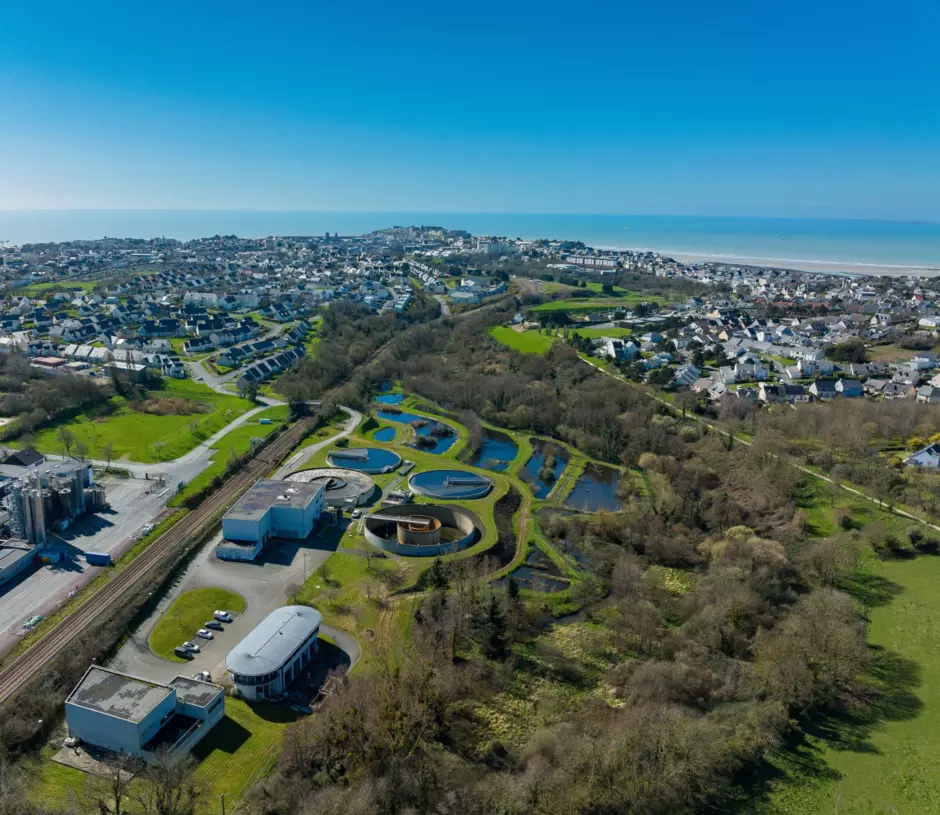
Indirect wastewater reuse for drinking water production in France
In Granville, on behalf of the Syndicat mixte d'assainissement de l'agglomération granvillaise (SMAAG) and the Syndicat de mutualisation de l'eau potable du Granvillais et de l'Avranchin (SMPGA), we are carrying out a feasibility study on the indirect reuse of treated wastewater for drinking water. Our analyses cover environmental acceptability, the identification of discharge points into watercourses and the preliminary sizing of the works. These analyses confirm the economic and multi-criteria viability of the solutions, while we finalise the necessary administrative documentation.
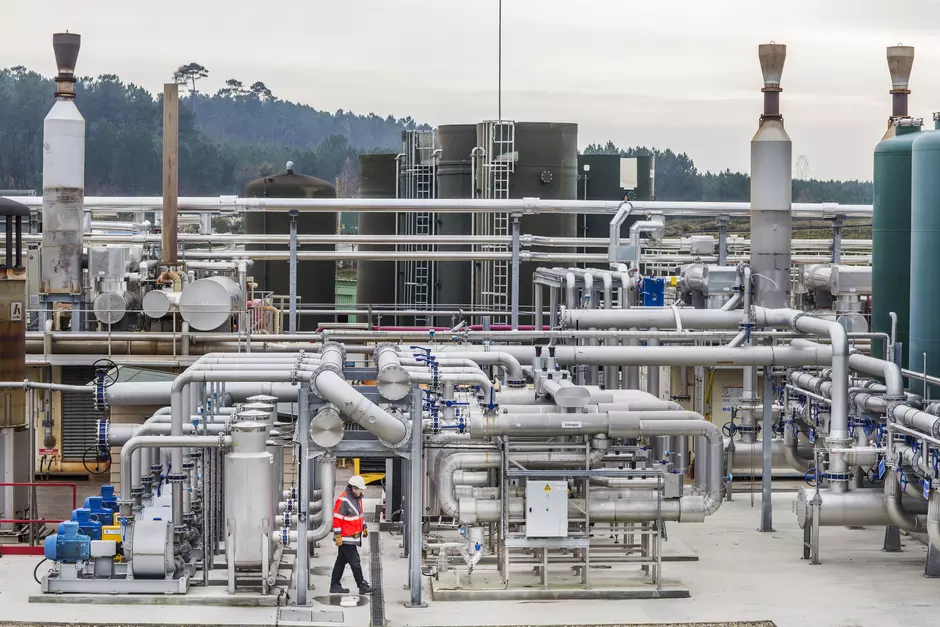
Audit and design of an industrial effluent recycling line in Germany
On behalf of a major international energy group, our teams carried out feasibility studies on the reuse of industrial wastewater at one of its industrial sites. They conducted a comprehensive site audit and an inventory of existing installations, followed by a detailed analysis of effluent treatment options. This led to the preliminary design of a recycling line tailored to the site's requirements, together with a precise costing of investment and operating expenses.
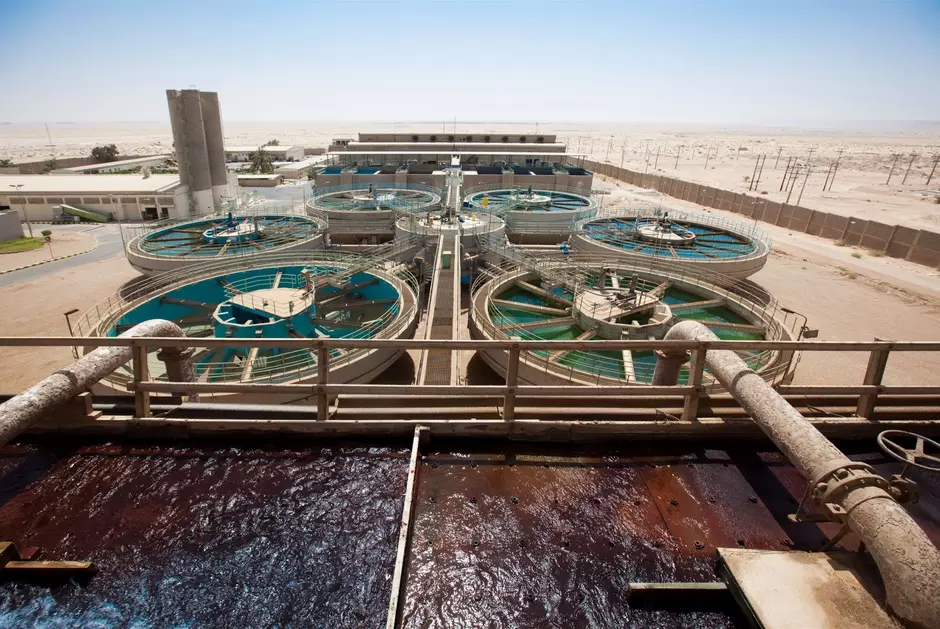
Urban planning and greywater management in Saudi Arabia
To structure the irrigation of green spaces in Riyadh, our experts led a study on greywater reuse in an urban setting. Following an assessment of local practices and an evaluation of technical options, we developed an operational manual governing the use of this water for urban irrigation at institutional buildings.