


Population growth, urban expansion and the ageing of infrastructure are transforming water and wastewater services. Climate change intensifies these pressures by increasing the frequency of flooding and accelerating the depletion of water resources.
Without long-term planning, territories face infrastructure that is no longer fit for purpose, a decline in service quality, public health and environmental risks, and higher operating costs.
Anticipating demographic and climatic pressures on networks
Our strategic territorial planning methodology
Veolia combines field expertise with technological tools to define a sustainable strategy over a period of 10 to 20 years, integrating climatic, technical, environmental and economic considerations. This methodology is well suited to master plans for drinking water, wastewater and stormwater management. It improves access to services and their continuity, secures resources, reduces losses and extraneous water, optimises treatment, prevents flooding and pollution risks, and helps territories adapt to climate change.
1. Situation analysis and diagnosis
Service audits, asset inspections, household surveys and targeted measurements (flow rates, pressures, water quality, soil analyses, corrosion and bathymetry), together with CCTV inspections and the analysis of operational data, establish a comprehensive hydraulic, functional and structural diagnosis of drinking water and wastewater systems.
2. Projection of future needs
Cross-referencing demographic data, urban development plans, socio-economic trends and climate projections allows us to model how needs will evolve: drinking water consumption, the balance between demand and resources, volumes of wastewater to be collected, and pollutant discharges to be treated.
3. Modelling and sizing
Simulation of how drinking water and wastewater systems operate under different conditions, using hydraulic models (InfoWorks ICM, EPANET, SWMM, HEC-RAS, Mike Urban, Centaurus-Veolia, Ansys Fluent CFD), to size infrastructure and ensure its performance.
4. Development of the planning strategy
Comparison of several scenarios (extensions, reinforcements, interconnections, centralised or decentralised solutions, conventional infrastructure or Nature-based Solutions) against technical, economic, social and environmental criteria. This analysis, carried out with local operators and all territorial stakeholders, supports a decision on the optimal strategy.
5. Multi-year investment programming
Preparation of a prioritised investment programme covering short, medium and long term, supported by techno-economic analyses (CAPEX/OPEX, tariff impacts) and an assessment of environmental issues and climate resilience, to facilitate the planning of works.

master plans and feasibility studies
completed over the last six years on every continent
Projects covering territories of million inhabitants
Key figures
Why choose Veolia

Operator expertise
Practical maintenance realities are factored in from the design stage to ensure the operational viability of assets.

Technological mastery
Expert command of modelling tools to simulate the behaviour of complex systems and validate the most effective development scenarios.

Techno-financial analysis
Modelling of investment, operating costs and tariff impacts to ensure economic sustainability.

Climate adaptation
Systematic analysis of climate resilience to identify network vulnerabilities and design adaptation strategies.
Our flagship projects
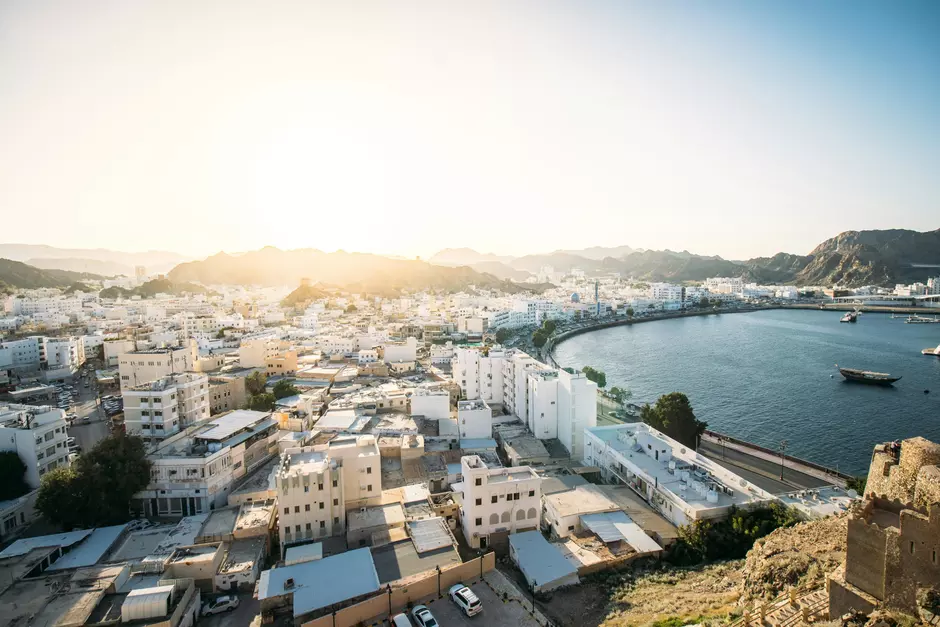
Consolidation of national water and wastewater master plans to address water stress in Oman
To establish integrated resource management in the face of water stress, our experts consolidated the national drinking water and wastewater master plans for the 5 million inhabitants of the Sultanate of Oman.
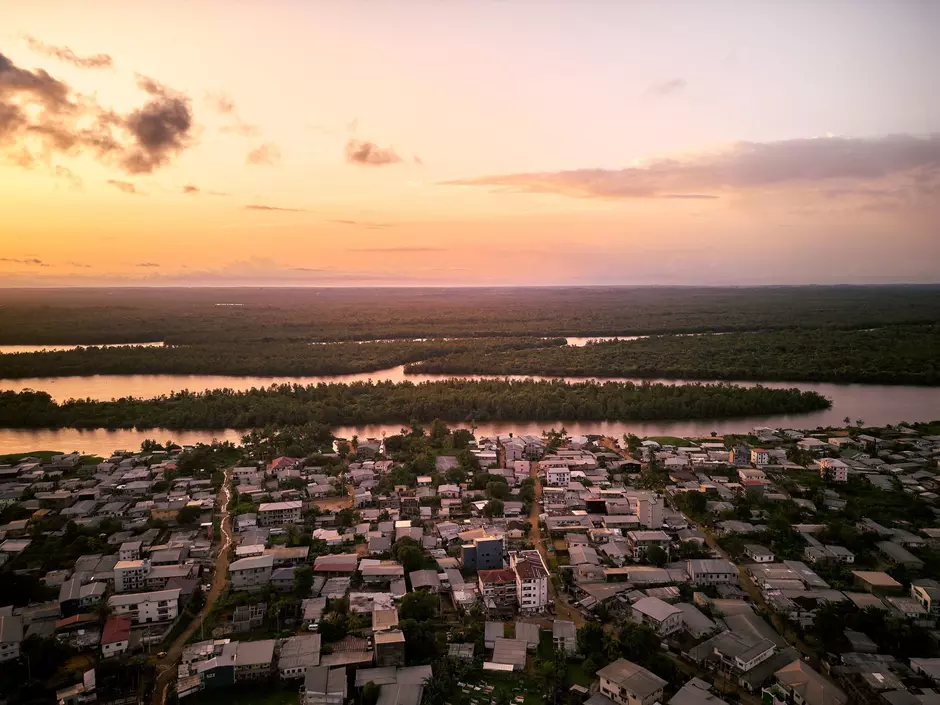
Update of the drainage and wastewater master plan to address flooding in Cameroon
In the Douala conurbation, where annual rainfall reaches 3,600 mm, we updated the drainage and wastewater master plan to reduce flooding and improve stormwater management for 3 million inhabitants.

Development of climate-resilient drinking water master plans for 13 towns in Togo
We developed drinking water supply master plans for 13 prefectural capitals to secure the water supply of 316,000 inhabitants by 2040. In parallel, we assessed the climate vulnerability of water resources to define resilient development scenarios.
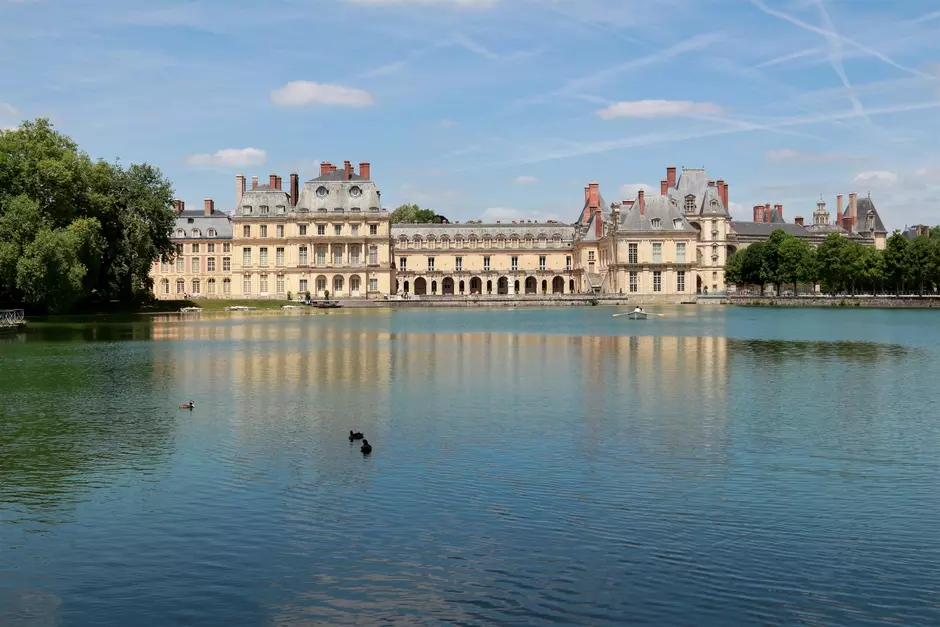
Wastewater master plan and extraneous water diagnosis for the Fontainebleau area, in France
The Communauté d'agglomération du Pays de Fontainebleau entrusted us with its wastewater master plan for a territory of 70,000 inhabitants. In the field, we conducted measurement campaigns and inspections to identify and then eliminate persistent extraneous clear water.